Sustainable Solutions: How E-Waste Recycling Services Are Saving Our Planet
Electronic waste presents serious dangers to the environment, as discarded electronics often contain toxic materials. These hazardous substances can contaminate soil and water, leading to broader ecological damage. E-waste recycling services present a viable solution. They not only recover valuable resources but also mitigate pollution. Gaining insight into how these programs function and affect local communities is critical. The path to successful electronic waste management prompts vital discussions about personal accountability and communal efforts. What steps can be taken next?
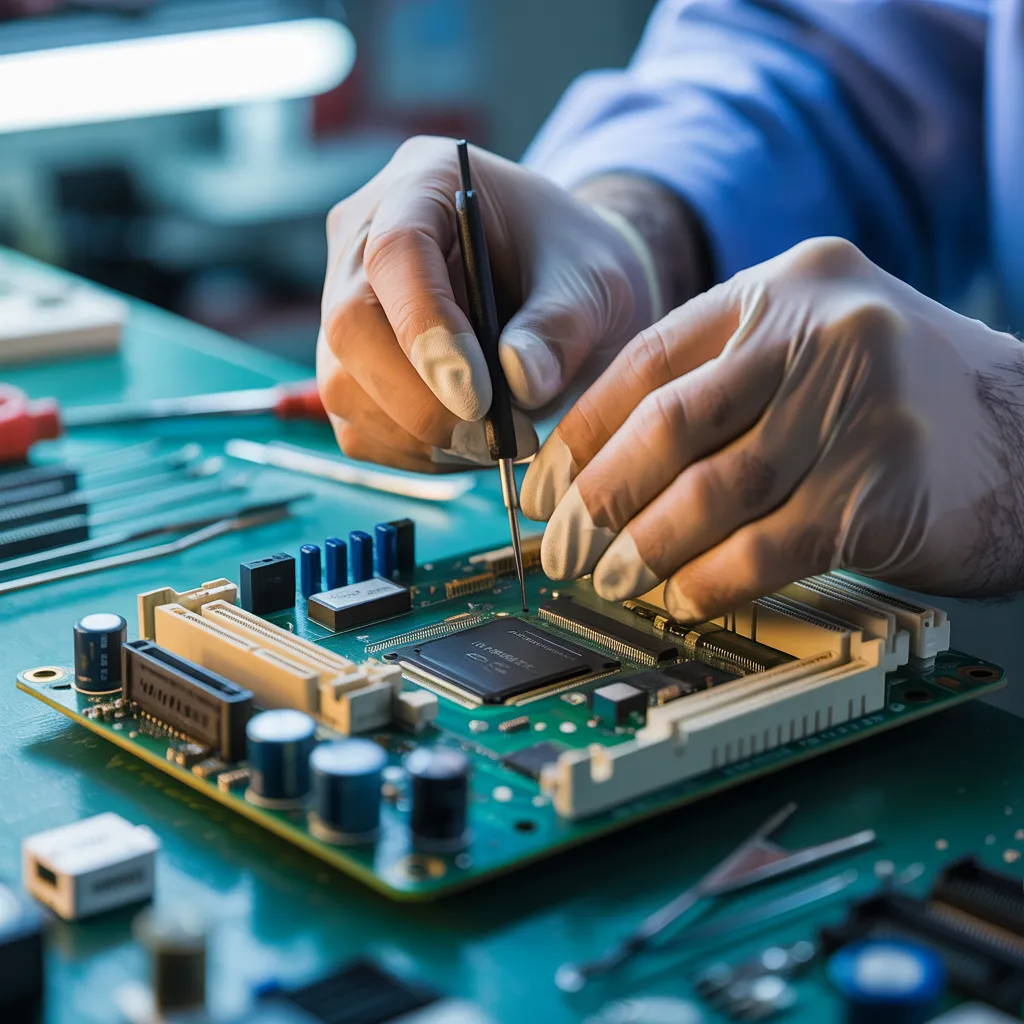
Why Electronic Waste Is Harmful to the Planet
While technological advancements improve modern life, electronic waste presents considerable environmental hazards. Abandoned electronic gadgets, frequently composed of toxic substances including lead, mercury, and cadmium, may release harmful substances into the surrounding soil and water supply, creating hazards for ecosystems and human health. The rapid pace of technological advancement contributes to greater consumer replacement of electronic devices, worsening the buildup of e-waste.
Landfills, already strained by waste, are unable to keep up with the rising quantities of abandoned electronics. Incineration, a common waste management technique, emits dangerous pollutants into the environment, degrading atmospheric conditions. In addition, improper recycling practices can lead to the exportation of e-waste to developing countries, where laborers may dismantle devices without adequate safety measures, exposing themselves to dangerous substances. This cycle of neglect and improper handling underscores the urgent need for sustainable recycling solutions that can mitigate the adverse effects of e-waste on the planet.
What Is E-Waste and Why Does It Matter?
E-waste, or electronic waste, includes obsolete electronic products including smartphones, computers, and televisions that are no longer functional or needed. This increasingly prevalent form of waste is important because of its swift buildup, fueled by innovation in technology and shifting consumer habits. As growing numbers of electronics become outdated, the ecological consequences become more pronounced, with toxic materials such as lead, mercury, and cadmium threatening both ecosystems and public health.
Addressing e-waste is crucial not only for reducing these dangers but also for acknowledging the precious materials found within it. Critical metals and rare earth components can be reclaimed and recycled, decreasing the reliance on mining and protecting natural resources. With a thorough understanding of e-waste and its impact, people and organizations alike can make educated decisions about disposal and recycling, helping to build a more sustainable world. Proper management of e-waste is essential for fostering a circular economy and promoting environmental stewardship.
The Way E-Waste Recycling Functions
Recycling e-waste involves a structured approach aimed at reclaiming useful resources while limiting ecological damage. To begin, e-waste is collected and transported to purpose-built recycling plants. After reaching the facility, the electronics are carefully categorized to isolate dangerous parts from recoverable materials.
After this step, specialists break down the products, extracting metals, plastics, and glass. This step is critical, as it enables the retrieval of high-value metals like silver, gold, and copper, which are repurposed in new electronics.
Next, the separated materials are handled via cutting-edge techniques, such as shredding and specialized chemical treatments, to refine them for further use.
In the final step, the leftover dangerous materials are managed properly, following environmental guidelines. This multi-step approach not only conserves resources but also reduces the dangers connected to irresponsible electronic waste disposal, securing a more eco-conscious future for electronic device usage.
Why E-Waste Recycling Matters for You and Your Community
Although it often goes unnoticed, the advantages of e-waste recycling extend beyond personal convenience to positively impact entire communities. By carefully processing electronic waste, individuals contribute to a safer environment, reducing toxic components that can contaminate soil and water. This proactive approach helps preserve local ecosystems and advances public health.
Moreover, e-waste recycling fosters employment opportunities within local communities. Nearby recycling establishments regularly need employees for various operations, from collection to processing, consequently creating meaningful employment to area workers. This not only enhances the community economy but also promotes community participation in sustainable initiatives.
Moreover, knowledge about e-waste recycling can lead to community outreach programs, equipping residents to pursue greener alternatives. By engaging with e-waste recycling programs, individuals foster a culture of sustainability, encouraging others to follow suit. Ultimately, the combined impact of these Check it out actions can contribute to a more resilient and environmentally responsible community.
How to Pick an E-Waste Recycling Service
Choosing the right electronic waste recycling provider is crucial for ensuring that electronic waste is processed responsibly and sustainably. To begin, people should confirm the company's accreditations, such as R2 and e-Stewards certifications, which indicate conformance to professional guidelines for safe recycling practices. Additionally, it is advisable to assess the provider's credibility by reviewing feedback and seeking advice from dependable sources.
Next, transparency in the recycling process is vital. A trustworthy company should provide clear information about the manner in which e-waste is managed and what happens to the materials. Furthermore, evaluating the range of services offered can be beneficial; various firms may supply retrieval services or extend benefits for recycling.
Finally, familiarizing yourself with local regulations regarding e-waste disposal can additionally influence the selection process. By prioritizing these factors, residents can actively participate in successful electronic waste reduction alongside encouraging sustainable environmental efforts.
How You Can Take Part in E-Waste Recycling?
Participating in e-waste recycling often starts at the local level, where recycling centers often provide essential services for safe disposal. Additionally, taking part in community awareness campaigns can amplify efforts to raise awareness about the importance of ethical e-waste practices. Such efforts not only encourage sustainable practices but also cultivate a collective sense of responsibility toward the environment.
Community Recycling Locations
Numerous neighborhood recycling stations perform an important function in e-waste recycling, offering communities convenient opportunities to manage electronic waste appropriately. These centers accept a wide array of digital devices, including aging computers, cell phones, and television sets, ensuring that harmful materials are handled safely. Many hubs feature knowledgeable personnel who support individuals in understanding proper disposal practices, highlighting the value of recycling rather than landfilling. Moreover, numerous facilities provide organized drop-off opportunities or appointed collection periods, enabling residents to engage without difficulty. Through the use of these community services, community members advance a circular economy, reducing environmental impact and promoting sustainable practices. Partnering with these facilities empowers communities to take action against e-waste pollution effectively.
Community Awareness Campaigns
Nearby organizations, schools, and enterprises can collaborate to host events that promote e-waste collection drives. Volunteers can play a pivotal role in promoting knowledge, handing out educational content, and interacting with the surrounding community. By means of these joint initiatives, community members grow more knowledgeable and inspired to dispose of their electronics responsibly, thereby helping to build a greener and more sustainable tomorrow.
Questions We Often Receive
What Electronic Devices Are Eligible for Recycling?
Various electronics may be recycled, including smartphones, computers, laptops, televisions, printers, and gaming consoles. Moreover, ancillary devices such as batteries, keyboards, and mice are equally appropriate for recycling, promoting environmental conservation efforts.
Are There Any Costs Associated With E-Waste Recycling?
That's correct, electronic waste recycling sometimes comes with fees, depending on the service provider. Some service centers impose charges for pickup or handling, while other facilities offer free services, typically funded by the resale of recovered materials.
How Can Businesses Benefit From E-Waste Recycling?
Businesses can benefit from e-waste recycling by reducing disposal costs, improving their green reputation, meeting compliance standards, recovering valuable materials, and creating potential earnings via resale, thus supporting a greener and more sustainable operational framework.
What Occurs with Data on Recycled Devices?
Information from refurbished electronics is frequently completely removed or eliminated during processing. This ensures confidential data remains secure, preventing unauthorized access while enabling resources to be recycled safely and responsibly within new applications.
Can I Recycle Broken Electronics?
Absolutely, defective electronics may be recycled. Several recycling centers process non-functioning devices, ensuring safe disposal and recovery of recoverable materials. This helps decrease environmental impact while encouraging responsible recycling practices to address electronic waste responsibly.